

EAF vs. LF: How Operating Conditions Affect Refractory Selection
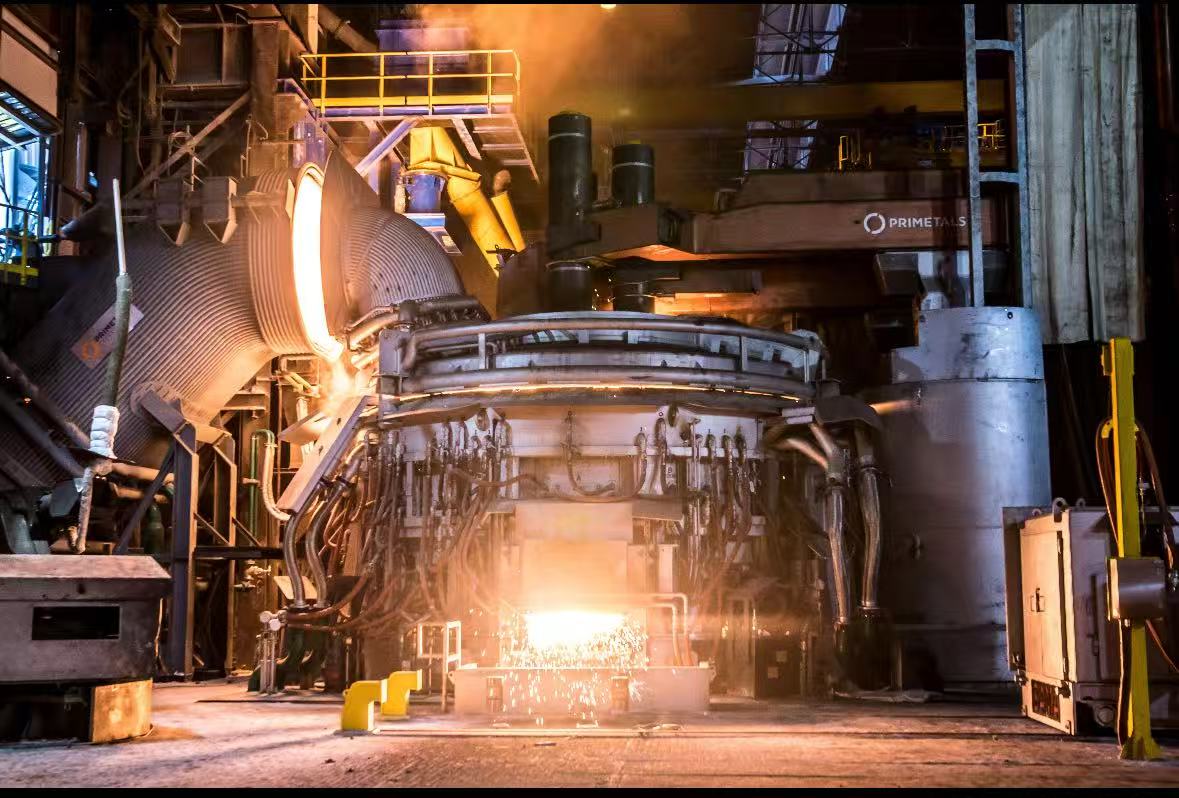
EAF vs. LF: How Operating Conditions
Affect Refractory Selection
Website Article Draft | China Minerals (Yingkou) Magnesia Co., Ltd. (CMMC)
SEO Title: EAF vs. LF Refractories: DBM & Magnesia Selection Guide
Meta Description: Explore how EAF and LF operating conditions affect refractory selection, and learn how
DBM and magnesia grades can be matched to different steelmaking applications.
Suggested URL Slug: eaf-vs-lf-refractory-dbm-magnesia-selection
Category: Refractory Technology Tags: EAF · LF · DBM · Dead Burned Magnesia · Magnesia · Refractory
Materials · Steelmaking
Introduction
Electric Arc Furnaces (EAFs) and Ladle Furnaces (LFs) both use electric arcs for steelmaking, but
their operating conditions and refractory requirements are significantly different.
For refractory producers and steelmakers, selecting the right refractory material requires more than
simply looking at MgO content. Furnace design, slag chemistry, thermal cycling, mechanical impact
and operating practices all influence refractory wear and service life.
Understanding these differences is the first step toward selecting the right magnesia raw material
and refractory grade.
1. EAF: A Complex and Highly Dynamic Refractory
Environment
An EAF undergoes continuous changes throughout the steelmaking cycle.
Scrap charging, melting, oxygen injection, decarburization, slag formation, carbon injection and
tapping expose the refractory lining to a combination of thermal, chemical and mechanical stresses.
During scrap charging and melting, the lining can experience mechanical impact from falling and
collapsing scrap. At the same time, the electric arc creates intense localized heat, while molten steel
and slag generate additional thermal and chemical loads.
As the process continues, changes in slag composition and furnace atmosphere can further
accelerate refractory wear.
Therefore, EAF refractories need to withstand several mechanisms simultaneously, including:
● Mechanical impact
● Thermal shock
● Slag corrosion and penetration
● Oxidation
● High-temperature erosion
● Repeated heating and cooling
2. LF: A Different Operating Environment
The operating conditions of a Ladle Furnace are different.
By the time molten steel enters the LF, the primary melting process has already been completed.
The LF is mainly used for reheating, alloy adjustment, desulfurization, argon stirring and inclusion
control.
Compared with an EAF, the LF environment is generally more controlled. However, the refractory
lining remains in continuous contact with molten steel and slag at high temperatures.
As a result, LF refractory selection places greater emphasis on factors such as corrosion resistance,
chemical compatibility, thermal stability and resistance to steel and slag penetration.
The difference between EAF and LF demonstrates an important principle:
The same type of refractory material cannot necessarily be optimized for every furnace simply
because the operating temperature is similar.
3. Refractory Wear Depends on the Entire Operating Cycle
A common mistake in refractory selection is to focus primarily on maximum temperature resistance.
In actual steelmaking operations, refractory wear is usually the result of several factors acting
together.
Mechanical impact can cause cracking or physical damage. Rapid temperature changes can create
thermal stress. Aggressive slags can react with the refractory and penetrate its structure. Oxidizing
conditions can also accelerate the degradation of carbon-containing refractories.
These mechanisms may occur repeatedly during each heat.
Therefore, refractory service life should be evaluated based on the complete operating cycle, rather
than a single operating parameter.
4. Why Furnace Slope Design Also Matters
Refractory performance is closely related to furnace design.
The furnace slope is not simply a structural feature. Proper slope design can help improve scrap
distribution, reduce the possibility of scrap bridging and facilitate the movement of molten steel
toward the furnace bottom.
It can also help reduce localized stress concentration in the refractory lining.
This means that refractory life is influenced by a combination of:
Furnace design + operating practice + slag chemistry + thermal conditions + refractory properties.
A high-quality refractory material still needs to be used under appropriate operating conditions to
achieve its expected performance.
5. Does Higher MgO Always Mean Better Performance?
This question is particularly important when comparing different grades of Dead Burned Magnesia
(DBM).
For example, should a refractory producer always choose DBM 97% instead of DBM 95%?
Not necessarily.
Higher MgO content generally means lower levels of certain impurities, but chemical purity is only
one factor affecting refractory performance.
Other important parameters may include:
● SiO₂ and other impurity levels
● Crystal structure
● Bulk density
● Apparent porosity
● Reactivity
● Thermal stability
● Slag compatibility
● Mechanical properties
6. DBM 95 vs. DBM 97: The Right Grade Depends on the
Application
DBM 95 and DBM 97 can both have important roles in refractory applications, but they may be
selected for different performance and cost requirements.
Instead of asking:
“Which DBM has the highest MgO?”
a more useful question is:
“Which DBM provides the right combination of properties for this application?”
For EAF, LF and other steelmaking-related refractory applications, material selection should consider
the actual furnace conditions, refractory design and slag environment.
The objective is not simply to maximize purity, but to achieve the appropriate balance between
performance, service life and cost.
7. Matching Refractory Materials to Real Furnace Conditions
The selection of magnesia raw materials should therefore begin with the application.
Different furnace zones and different operating conditions may require different refractory
characteristics. Understanding the interaction between refractory material and the working
environment allows refractory producers to make more informed decisions when selecting DBM and
other magnesia grades.
At China Minerals (Yingkou) Magnesia Co., Ltd. (CMMC), we focus on supplying magnesia raw
materials for refractory applications and supporting customers in selecting suitable grades according
to their specific technical and operating requirements.
Conclusion
EAF and LF both use electric arcs, but their refractory challenges are different.China Minerals (Yingkou) Magnesia Co., Ltd. (CMMC)
Page 4
The performance of a refractory material is not determined by maximum temperature or MgO
content alone. The key is how well the material matches the complete operating cycle and the
specific conditions of the application.
For DBM 95, DBM 97 and other magnesia grades, the right choice should be based on application
requirements rather than purity alone.
The right refractory material is not simply the highest-purity material—it is the material that is right
for the job.
China Minerals (Yingkou) Magnesia Co., Ltd. (CMMC) provides magnesia raw materials for refractory
applications, supporting customers in selecting suitable grades for different industrial requirements.